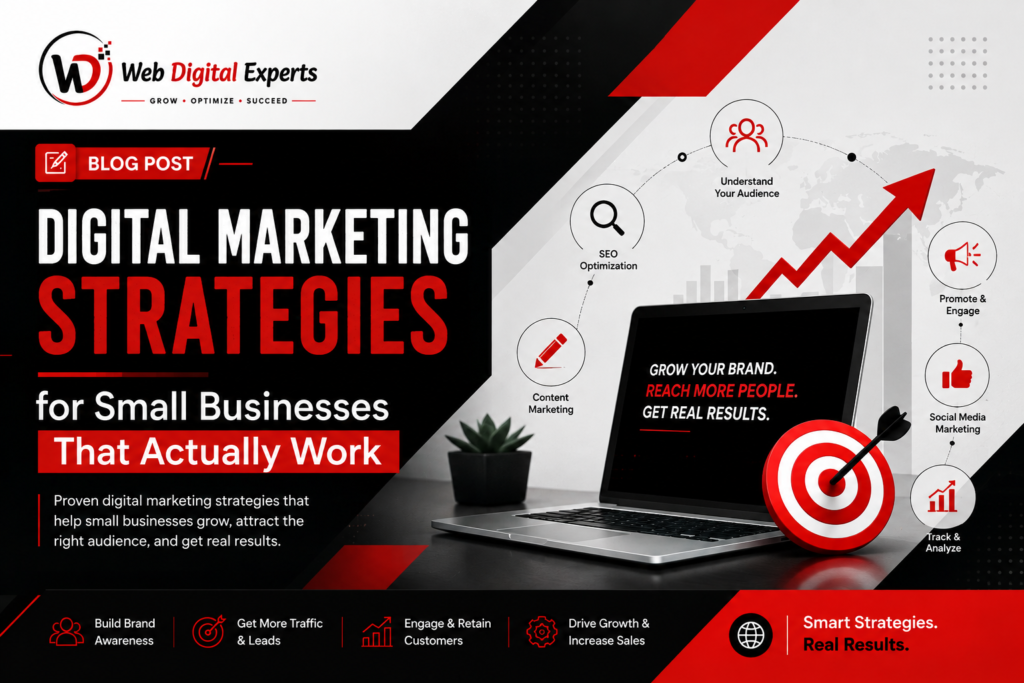
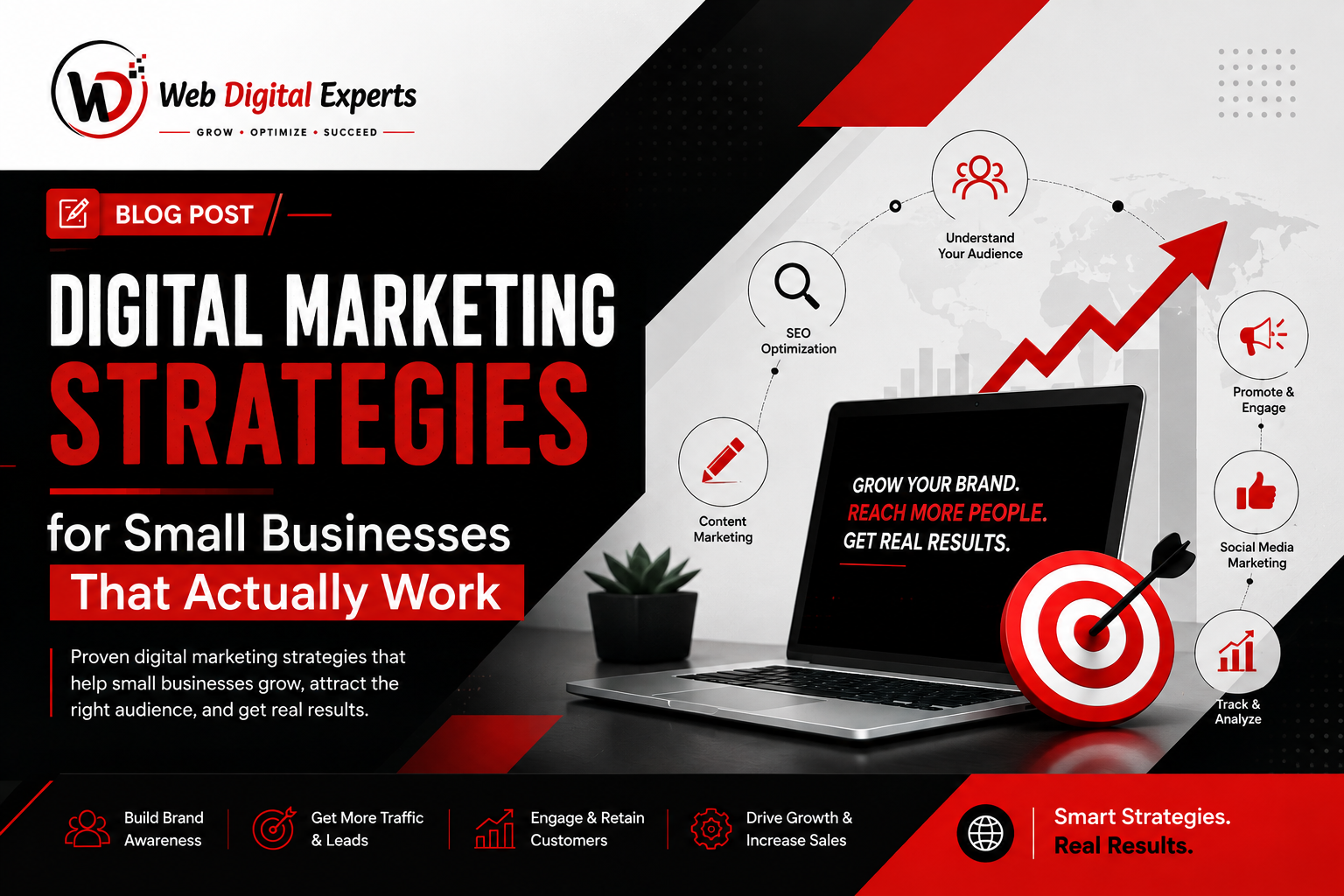
Running a small business means wearing a dozen different hats, and marketing often ends up being the one that gets pushed to the bottom of the to-do list. But here’s the reality — in 2026, if you’re not actively marketing your business online, you’re leaving money on the table. The good news is that effective digital marketing doesn’t have to mean a massive budget or a full in-house team. It just means being strategic about where you spend your time and money.
Know Exactly Who You’re Talking To
Before spending a single rupee on ads or content, it’s worth getting crystal clear on who your ideal customer actually is. What are their pain points? Where do they hang out online? What kind of language do they respond to? Marketing that tries to speak to everyone usually ends up connecting with no one.
Build a Simple, Consistent Content Plan
You don’t need to post every single day to see results. What matters far more is consistency and relevance. Whether it’s blog posts, short videos, or social media updates, the goal is to keep showing up with content that genuinely helps your audience — not just content that promotes your product.
Email Marketing Is Still Underrated
A lot of small businesses skip email marketing because it feels old-fashioned compared to social media. But email remains one of the highest-return channels available, especially for nurturing leads who aren’t ready to buy just yet. A simple monthly newsletter with useful tips and occasional offers can quietly become one of your best-performing channels.
Local SEO Can Be a Game-Changer
If you serve customers in a specific city or region, optimizing for local search should be a top priority. Claiming and updating your Google Business Profile, gathering genuine customer reviews, and using location-based keywords can put you in front of people who are actively searching for what you offer, right in your area.
Paid Ads Should Support, Not Replace, Organic Efforts
Paid advertising can deliver quick visibility, but relying on it alone means your traffic disappears the moment you stop paying. The smartest small businesses use paid ads to complement a solid organic foundation — SEO, content, and social presence that keeps working even when the ad budget is paused.
Track What’s Actually Working
It’s tempting to try every marketing tactic at once, but that usually leads to burnout and wasted spend. Pick two or three channels, track your results properly, and double down on whatever’s genuinely bringing in customers.
Final Thoughts
Digital marketing for small businesses isn’t about doing everything — it’s about doing the right things consistently. If you’re not sure where to start or feel like your current efforts aren’t paying off, getting expert guidance can save you months of trial and error.
Web Digital Experts helps small and growing businesses put together marketing strategies that fit their budget and actually deliver results. Reach out if you’d like help figuring out your next move.